

Blog
Antifungal Solutions: Effective Ways to Manage Fungal Infections
Sep
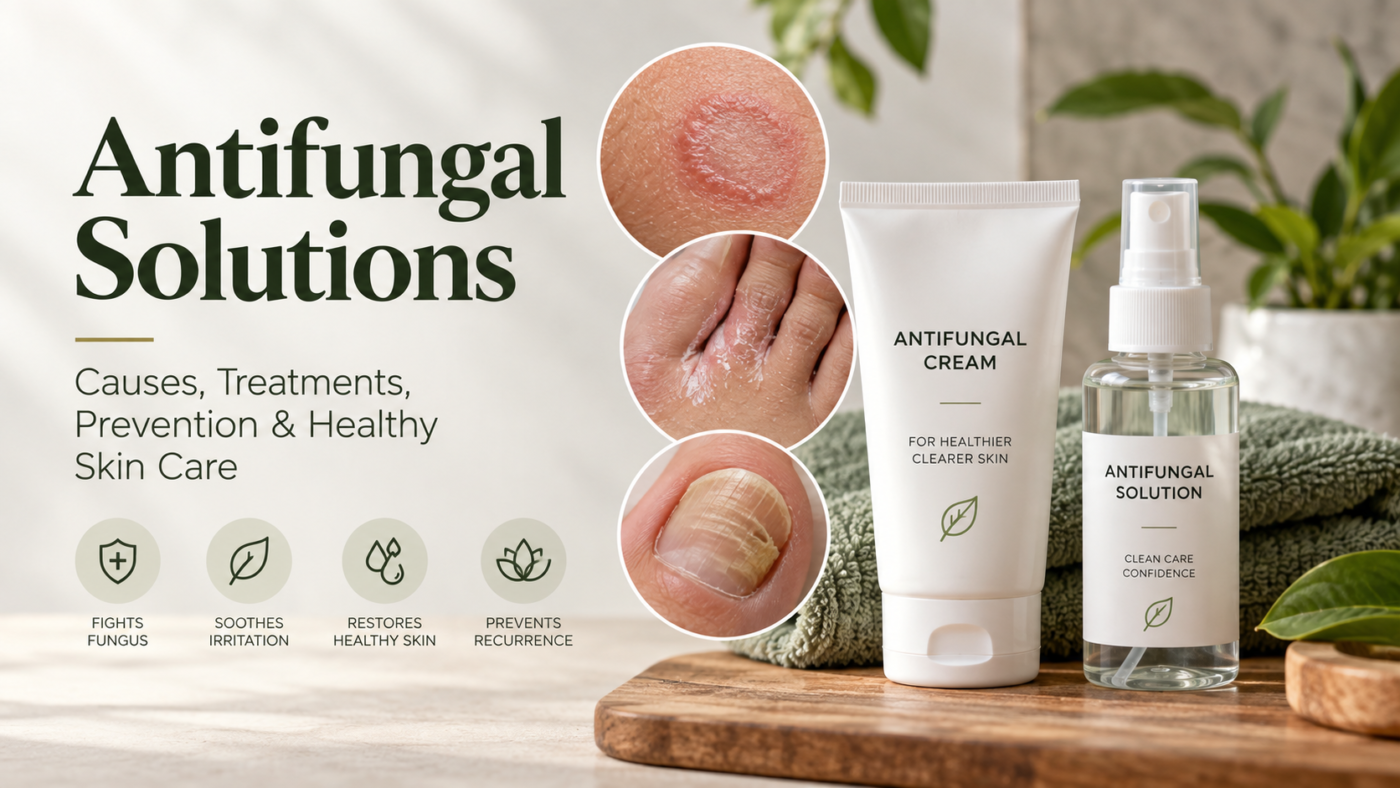
Fungal infections are common skin concerns that can affect different parts of the body, including the scalp, feet, nails, groin, and other areas of the skin. They may cause itching, redness, irritation, scaling, or discomfort.
Fortunately, many common fungal infections can be effectively managed with appropriate antifungal treatment and good hygiene. Understanding the cause of the infection and choosing the right treatment can help prevent symptoms from getting worse or returning.
In this guide, we’ll explore common fungal infections, antifungal solutions, prevention tips, and when you should seek professional medical advice.
What Is a Fungal Infection?
A fungal infection occurs when certain types of fungi grow excessively on or in the body. Fungi naturally exist in our environment and, in some cases, on our skin. Problems can occur when conditions allow them to multiply excessively.
Common fungal infections include:
- Athlete’s foot
- Ringworm
- Jock itch
- Yeast infections of the skin
- Fungal nail infections
- Certain fungal scalp infections
Different fungal infections require different treatments, so identifying the type of infection is important.
Common Symptoms of Fungal Infections
Symptoms can vary depending on where the infection occurs. Common signs include:
- Persistent itching
- Red or irritated skin
- Dry or scaly patches
- Ring-shaped rashes
- Burning or discomfort
- Cracked or peeling skin
- Changes in nail color or texture
- Flaking or scaling of the scalp
If symptoms continue to spread or become severe, professional medical evaluation is recommended.
What Are Antifungal Solutions?
Antifungal solutions are treatments designed to control or eliminate fungal organisms. They are available in several forms, including creams, ointments, powders, sprays, shampoos, and, when medically appropriate, oral medications.
The right option depends on the type and location of the infection.
1. Antifungal Creams
Topical antifungal creams are commonly used for fungal infections affecting the skin.
Depending on the condition, products may contain active ingredients such as:
- Clotrimazole
- Miconazole
- Terbinafine
- Ketoconazole
Always follow the product instructions and use the treatment for the recommended duration.
2. Antifungal Shampoos
Certain antifungal shampoos can help manage fungal or yeast-related scalp conditions.
Ingredients such as ketoconazole may be recommended for particular scalp conditions. These products should be used according to their directions or a healthcare professional’s advice.
3. Antifungal Powders and Sprays
Powders and sprays can be useful for certain fungal infections, particularly in areas where moisture and sweating are common.
Keeping the affected area dry can help create a less favorable environment for fungal growth.
4. Prescription Antifungal Treatments
Some infections don’t respond adequately to over-the-counter treatments. A doctor may prescribe stronger topical or oral antifungal medication depending on the diagnosis.
Oral antifungal medicines should only be taken under appropriate medical supervision because they may have interactions, side effects, or other precautions.
How to Choose the Right Antifungal Treatment
The best treatment depends on several factors:
Location: A scalp infection may require a different treatment from athlete’s foot or a nail infection.
Type of fungus: Different fungal organisms may respond differently to specific medications.
Severity: Mild skin infections may respond to topical treatment, while extensive or persistent infections may require medical evaluation.
Duration: Stopping treatment too early can allow the infection to return.
If you’re unsure whether a rash is actually fungal, it’s better to get a professional diagnosis rather than repeatedly trying different treatments.
Natural Ways to Support Skin Health
Good daily habits can support your skin while treating or preventing fungal infections.
Keep Skin Dry
Fungi can thrive in warm, moist environments. Dry your skin carefully after bathing, particularly between the toes and in skin folds.
Change Damp Clothing
Change out of sweaty clothing as soon as practical. Wash workout clothes and towels regularly.
Avoid Sharing Personal Items
Don’t share towels, socks, shoes, combs, or other personal items that may come into contact with infected skin.
Wear Breathable Clothing
Loose-fitting, breathable clothing can reduce excessive moisture and friction.
Keep Feet Clean and Dry
If you’re prone to athlete’s foot, wash your feet regularly and dry them thoroughly. Changing socks regularly can also help manage moisture.
What Should You Avoid?
Some home remedies can irritate the skin and potentially make symptoms worse.
Avoid applying harsh substances such as concentrated essential oils, bleach, strong acids, or other household chemicals to infected skin.
It’s also important not to use steroid creams on a suspected fungal infection without medical advice. Steroids can sometimes reduce redness and itching temporarily while allowing certain fungal infections to worsen or become harder to recognize.
Can Fungal Infections Come Back?
Yes. Some fungal infections can recur, particularly when the underlying conditions that encourage fungal growth remain.
To reduce the risk of recurrence:
- Complete treatment as directed.
- Keep affected areas clean and dry.
- Don’t share personal items.
- Wash clothing and towels regularly.
- Wear clean socks and breathable footwear.
- Treat fungal infections promptly.
- Follow medical advice for recurring infections.
When Should You See a Doctor?
Professional medical advice is particularly important if:
- The infection is spreading.
- Symptoms are severe or painful.
- Over-the-counter treatment isn’t working.
- The infection keeps returning.
- The scalp or nails are affected.
- You have a weakened immune system.
- There is swelling, pus, significant pain, or fever.
- You’re uncertain whether the condition is actually fungal.
A healthcare professional can determine the cause and recommend an appropriate treatment.
Frequently Asked Questions
Are antifungal creams effective?
Many common superficial fungal skin infections can respond well to appropriate topical antifungal medicines. However, the correct medication depends on the specific infection.
How long does a fungal infection take to improve?
The timeline varies depending on the type, location, severity, and treatment. Even when symptoms start improving, treatment should generally be continued for the period recommended on the product label or by a healthcare professional.
Can I use antifungal treatment without seeing a doctor?
Some antifungal products are available without a prescription and can be appropriate for certain minor skin infections. However, if you’re unsure about the diagnosis or symptoms are persistent or severe, seek medical advice.
Can good hygiene prevent fungal infections?
Good hygiene can reduce the risk, but it cannot guarantee prevention. Keeping skin clean and dry, avoiding shared personal items, and changing damp clothing can help.
Are fungal infections contagious?
Some fungal infections, such as ringworm, can spread through direct skin contact or contaminated items. Avoid sharing personal belongings and maintain good hygiene when an infection is suspected.
Final Thoughts
Fungal infections can be uncomfortable, but many common infections can be managed effectively with the right antifungal treatment and consistent skin-care habits.
The most important step is identifying the likely cause before choosing a treatment. Avoid harsh DIY remedies, follow medication instructions carefully, and seek professional advice when symptoms are severe, persistent, spreading, or recurring.
Healthy skin starts with good hygiene, proper moisture control, and timely care.
