

Fast Acting Toothpaste for Sensitive Teeth Offers
List of Best Toothpaste for Sensitive Teeth and Gums
Here are the best toothpaste options that dentists recommend for managing tooth sensitivity while protecting your gums:
1. Hydent-K Toothpaste for Sensitive Teeth:
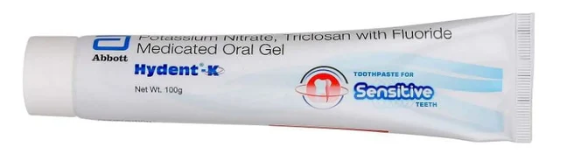
Developed with potassium nitrate, Hydent-K sensitive toothpaste offers professional-strength protection for sensitive teeth. This toothpaste works effectively for daily protection and is suitable for those seeking professional toothpaste for sensitive teeth without harsh additives.
2. Sensodyne Rapid Relief Toothpaste:

This dentist-recommended toothpaste for sensitive teeth has stannous fluoride as an active ingredient, providing relief right from the first brushing. The proprietary mixture is effective in only 60 seconds using the "dab-on" application technique, and it is perfect for those looking for instant pain relief. With twice-daily brushing, Sensodyne Rapid Relief offers lasting protection against dentine hypersensitivity while freshening your breath.
3. Sensodyne Pronamel Gentle Whitening:
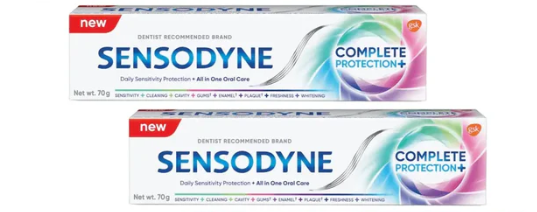
Sensodyne Complete Protection Toothpaste is perfect for those wanting Sensodyne Pronamel toothpaste for sensitive teeth and whitening simultaneously. This formula re-hardens acid-softened enamel while gently removing surface stains. It contains potassium nitrate for sensitivity relief and fluoride for enamel strengthening, making it an excellent choice for sensitive teeth with cavity prevention.
4. Parodontax Daily Fluoride Toothpaste:

Parodontax toothpaste, specially designed for sensitive teeth, not only calms the nerve endings but also treats the inflammation of the gums, as it contains stannous fluoride, which gives a dual-action benefit.
It is greatly beneficial for people who suffer from sensitivity due to gum problems, see their gums bleeding, or have gingivitis at the same time while benefiting from cavity protection.
5. Emoform‑R Anti‑Sensitivity Toothpaste

Emoform‑R is a sensitive professional toothpaste that provides long-lasting relief and highly efficacious product that creates a barrier on the dentin that is exposed. Its advanced formula helps soothe irritated nerves in the teeth and gums, providing immediate relief while strengthening enamel for daily protection.
In the case of thinning enamel, sensitive teeth people should go for this dentist-approved toothpaste as their first choice.
Discover medications, uses, and side effects for private parts fungal treatment creams.
How to Choose the Best Toothpaste for Sensitive Teeth
Finding the best toothpaste for sensitive teeth requires careful consideration of multiple factors beyond just marketing claims. Here's what you should evaluate:
-
Look for the ADA Seal of Acceptance on the packaging, ensuring the product has been tested for safety and effectiveness by dental professionals
-
Check the active ingredient concentration – potassium nitrate should be at 5% for maximum effectiveness, the highest allowed level
-
Verify it's specifically labeled "low abrasion" or "gentle formula" to prevent further enamel damage
-
Choose fluoride toothpaste for sensitive teeth unless you have a specific reason to avoid fluoride
-
Select based on your sensitivity type – different formulas address different causes of sensitivity
People also search for Dark Spot Removal and Skin Brightening Cream, Dr. most consult Melas face cream.
Types of Toothpaste for Sensitive Teeth
The market offers several categories of sensitive teeth toothpaste, each designed for different needs and preferences:
-
Potassium Nitrate-Based Formulas – The gold standard for sensitivity relief, working by calming nerve responses to stimuli.
-
Stannous Fluoride Products – Excellent for those who need both sensitivity relief and enamel strengthening.
-
Hydroxyapatite-Containing Paste – A natural alternative for fluoride-free options, increasingly popular for toothpaste for sensitive teeth seekers.
-
Natural/Herbal Toothpaste for Sensitive Teeth – Formulations using ingredients like aloe vera, turmeric, and clove oil.
-
Whitening Sensitive Formulas – Specifically designed toothpaste for sensitive teeth whitening without increasing sensitivity.
Add scabstar lotion in your wardrobe if you find any skin-related issue. Go and check our best recommended cream, Permethrin scabstar lotion.
What Causes Tooth Sensitivity?
Sensitivity in the teeth originates from the loss of the protective layer of enamel and loss of the gums, thereby exposing the soft dentin underneath. This exposed dentin has, in it, small channels with direct access to the nerve core of the tooth, which causes the tooth to be very sensitive to external stimuli.
The usual suspects causing the above include forceful brushing of the teeth, acidity of certain foods and drinks, grinding of the teeth, periodontal disease, and overzealous tooth whitening.
Common Symptoms of Sensitive Teeth
When confronting sensitive teeth, you will unmistakably know about precise warning signs giving you a clue to the need for specialized care. Knowledge about these symptoms will come in handy when you have to take mitigating steps prior to aggravation:
-
Sensitivity triggered by hot or cold foodstuffs and beverages.
-
Discomfiture when breathing cold air or drinking through a straw.
-
Sensations of pain while brushing or flossing all around gum lines, especially in the acute ones.
-
Sensitivity elicited by sweet or acidic foods like citrus fruits, carbonated drinks, etc.
-
Frequently changing of toothache without any perceptible cause.
-
Difficulty eating or drinking due to persistent discomfort.
Explore our complete guide on antifungal infection treatment, which helps you to understand every treatment.
How Toothpaste for Sensitive Teeth Works
The toothpaste for sensitive teeth that is considered the best employs different mechanisms of pain relief and protection at the same time. These unique combinations of active ingredients in toothpaste are as follows:
-
Nerve Desensitization: The formulas containing potassium nitrate eventually reach the dental tubules, where they soothe the nerve endings and inhibit the transmission of pain signals to the brain.
-
Dentin Tubule Sealing: Stannous fluoride effectively coats the burrows of the exposed dentin and thus denies the stimulus access to sensitive nerves.
-
Enamel Strengthening: The fluoride-containing substances make the demineralized enamel regain its protective covering slowly but surely.
-
Tubule Occlusion: Nano-hydroxyapatite and the ingredients containing calcium do the blocking of the microscopic channels in dentin anatomically and physiologically.
-
Anti-inflammatory Action: Some herbal components lessen the inflammation of the gums and thereby contribute to the healing of the gum tissue that has receded.
Key Ingredients to Look For vs. Ingredients to Avoid
When selecting the best toothpaste for sensitive teeth, understanding ingredient composition is crucial for finding the right product for your needs.
|
Beneficial Ingredients |
Why It Works |
Ingredients to Avoid |
Why to Avoid |
|
Potassium Nitrate (5%) |
Desensitizes nerves by reducing excitability, proven most effective ingredient |
High-Abrasive Polishing Agents |
Can wear away enamel and worsen sensitivity over time |
|
Stannous Fluoride |
Strengthens enamel and creates a protective barrier over dentin |
Aggressive Whitening Bleaches |
May increase sensitivity and damage enamel structure |
|
Nano-Hydroxyapatite (nano-HAp) |
Repairs enamel by mimicking natural tooth structure, fluoride-free option |
Sodium Lauryl Sulfate (SLS) |
Harsh detergent that can irritate sensitive gums |
|
Calcium Sodium Phosphosilicate |
Remineralizes exposed dentin tubules effectively |
Alcohol-Based Formulas |
Dries out mouth and irritates sensitive tissues |
|
Strontium Compounds |
Blocks dentin tubules while calming nerves (dual action) |
Excessive Peroxide |
Can cause enamel erosion and heightened sensitivity |
|
Arginine + Calcium Carbonate |
Seals dentin tubules, providing immediate relief |
Charcoal Particles |
Too abrasive for sensitive teeth and enamel |
|
Xylitol |
Natural antibacterial, protects against cavity formation |
Coarse Mint Flavoring |
May irritate sensitive mouths |
7 Ways to Get Immediate Relief for Sensitive Teeth
1. Use a Desensitizing Toothpaste Regularly
Using toothpaste formulated for sensitive teeth twice daily is the cornerstone of effective relief. The active ingredients work progressively to block the nerve pathways or build a shield over exposed dentin.
2. Rinse with Salt Water to Soothe Sensitivity
A warm saltwater rinse reduces inflammation and can calm irritated gums around sensitive teeth. Saltwater’s antibacterial qualities help maintain a healthier mouth environment, potentially reducing the triggers causing sensitivity pain.
3. Apply a cold compress for Immediate Numbness
If sharp, sensitive pain strikes suddenly, applying a cold compress can quickly numb the affected area by constricting blood vessels and reducing nerve activity. This method offers fast short-term relief, especially when inflammation is present.
4. Avoid Acidic and Trigger Foods Temporarily
Acidic foods and drinks like citrus, soda, and wine erode enamel and worsen sensitivity by further exposing dentin. Temporarily minimizing or avoiding these can prevent flare-ups while you focus on treatments to restore comfort.
5. Use a Soft-Bristled Toothbrush
A soft-bristled toothbrush is essential to avoid aggravating sensitive areas. Hard bristles can wear down enamel and inflame gums, increasing sensitivity and pain. A gentle brush combined with fast-acting toothpaste helps protect and maintain enamel integrity.
6. Try Clove Oil for Temporary Pain Relief
Clove oil contains eugenol, a compound with numbing and anti-inflammatory properties that can provide quick relief if a sensitive tooth flares up. This remedy is especially helpful until you can implement longer-term solutions.
7. Consult Your Dentist for Professional Care
If sensitivity persists despite home remedies and using fast acting toothpaste for sensitive teeth, a dental consultation is crucial. There may be underlying issues such as enamel erosion, cavities, or gum disease needing professional treatment.
How to Use Toothpaste for Sensitive Teeth Correctly
Simply purchasing desensitizing toothpaste isn't enough – proper application technique maximizes effectiveness and prevents further damage:
-
Brush gently using a soft-bristled toothbrush at a 45-degree angle to your gum line, employing light pressure rather than aggressive scrubbing
-
Use a pea-sized amount of toothpaste, as you don't need excessive amounts for effectiveness
-
Brush for two minutes twice daily, ensuring you cover all tooth surfaces, especially sensitive areas
-
Apply directly to sensitive areas by leaving the toothpaste on the affected teeth for additional relief
-
Use consistently for 2-3 weeks before expecting full relief, as sensitivity relief develops gradually
-
Avoid brushing immediately after acidic foods – wait at least 30 minutes to prevent additional enamel damage
-
Consider applying a small amount before bed for overnight protection and extended exposure to active ingredients
Extremely best scalp remover with top ratings recommended by many doctors, Ivera shampoo, check once.
When to See a Dentist for Sensitive Teeth
While sensitive teeth home remedies and over-the-counter products help many cases, professional intervention becomes necessary when sensitivity persists despite treatment efforts.
Schedule a dental appointment if symptoms continue for more than two weeks after starting a new tooth sensitivity relief toothpaste, if you experience severe pain, or if you notice signs of gum disease like bleeding or swelling.
Final Thoughts
Sensitivity doesn't have to limit your enjoyment of food and beverages. By choosing the right toothpaste for sensitive teeth, implementing proper oral hygiene practices, and adopting gentle daily habits, you can effectively manage and prevent tooth sensitivity.
Whether you prefer dentist-recommended toothpaste for sensitive teeth containing potassium nitrate, toothpaste that repairs enamel for sensitive teeth with hydroxyapatite, or natural toothpaste for sensitive teeth with herbal ingredients, options exist for every preference and need. Remember that toothpaste for sensitive teeth and gums addresses multiple concerns simultaneously, making it an excellent choice for comprehensive protection.
Consistency is key – use your chosen toothpaste for sensitive teeth's best formulation twice daily, maintain soft brushing techniques, and avoid triggering foods. If sensitivity persists despite two weeks of proper treatment, consult your dentist to rule out underlying dental problems. With the right approach combining specialized toothpaste, home remedies, and professional guidance, you'll regain comfortable eating and drinking habits while protecting your teeth for years to come.
FAQ's About Sensitive Teeth Toothpaste
Q1: How long does it take for sensitive teeth toothpaste to work?
A: The majority of the products for the relief of sensitive teeth pain offered in toothpastes claim visible results after a regular application period of 3 to 7 days, although the complete relief may last 2 to 3 weeks. The stannous fluoride-based formulas are quicker in action than the potassium nitrate-based ones.
Q2: Can I use regular toothpaste if I have sensitive teeth?
A: Regular toothpaste may worsen sensitivity. A dentist-recommended toothpaste for sensitive teeth, specifically formulated with desensitizing ingredients, is necessary for effective relief and protection.
Q3: What's the difference between potassium nitrate and stannous fluoride toothpaste?
A: Potassium nitrate toothpaste for sensitivity works by calming nerves gradually, while toothpaste with stannous fluoride for sensitivity creates an immediate protective barrier and strengthens enamel faster.
Q4: Are fluoride-free options effective for sensitive teeth?
A: Yes, fluoride-free toothpaste for sensitive teeth with nano-hydroxyapatite or arginine can be effective, though fluoride-containing options typically work faster for most people.
Q5: Should I use sensitive mouthwash along with sensitive toothpaste?
A: Combining sensitive teeth mouthwash with sensitive teeth toothpaste provides enhanced coverage and protection throughout the day, making it highly recommended for moderate to severe sensitivity.
Reduce Stress Naturally: 5 Proven Ways Ashwagandha Helps
Non-Latex Condoms Sensitivity: Top Benefits for Sensitive Skin
Related Posts

What Is Alzheimer’s Disease? Symptoms, Causes & Stages Explained

What Causes Burning Eyes and How to Fix It Fast

Obesity and Overweight Problems in the USA: A Growing Public Health Crisis

How To Cure Toenail Fungal Infection? A Complete Guide

Best Dark Spot Corrector for Women: Complete Guide

Best Anti-Dandruff Shampoos for Men 2026

Best Sunscreen for Women’s Oily Skin: A Complete Guide for 2026
